
Depression Treatment
Get Help For Depression Now At Our Outpatient Center
During the pandemic, many people started to experience depressive disorders. Before the beginning of 2020, 8.5% of the population experienced depression. After that, the rates jumped to 27.8%. As we moved into 2021, the rates rose even higher to 32.8%.
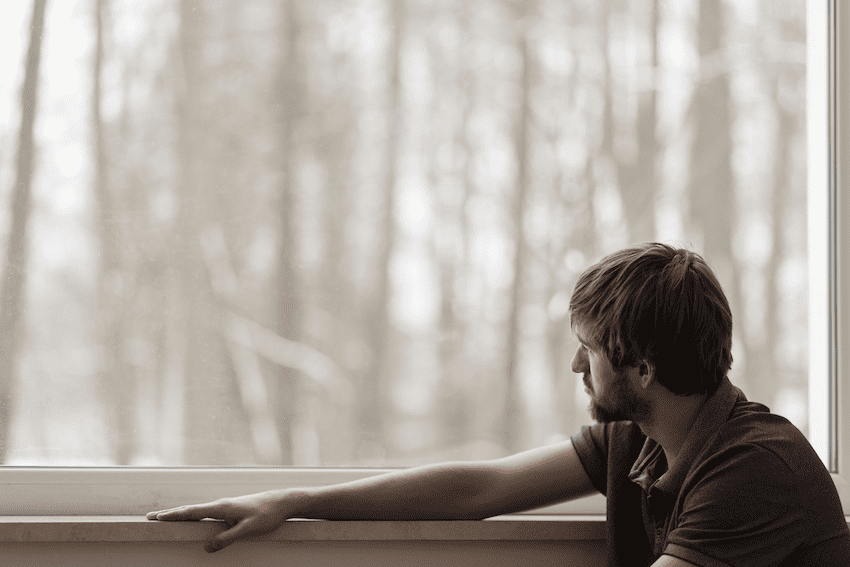
Although many people continue to need depression treatment, not everyone seeks help or realizes how serious their mental health issues have become.
At Renewed Light in West Deptford, New Jersey, we provide outpatient depression treatment at individual and group level. Get help for depression now by calling us at 866-485-0905 or finding out more about our admissions process.
What are the types of depression?
The types of depression differ in how they develop and why. The following four types of depression are common:
Major depressive disorder
Major depressive disorder (MDD) or major depression is the most common type of depressive disorder. People with this disorder may experience any of the following:
- A loss of interest in daily activities
- Slower motor movements
- Weight gain or weight loss
- Fatigue
- Despair, hopelessness, and sadness
- Changes in sleeping habits
People with major depression may also have persistent suicidal thoughts and attempts at suicide. Because of the danger of suicide, major depressive disorder must be taken seriously and treated professionally.
If you are having thoughts of suicide, call 911 immediately.
Seasonal affective disorder
Seasonal affective disorder (SAD) is depression that tends to occur when the seasons change. It usually begins when winter begins and lasts until the season ends. People experiencing SAD tend to gain weight, feel fatigued during the day, and experience anxiety.
Premenstrual dysphoric disorder
Premenstrual dysphoric disorder (PMDD) occurs before a woman’s menstrual cycle begins. Women with PMDD experience mood swings, anxiety, and depression. They also complain of tension, irritability, moodiness, hopelessness, and extreme sadness. Risk factors for this condition include:
- Having a mother with the ailment
- Having a thyroid disorder
- Being overweight and lacking exercise
Psychotic depression
Some people diagnosed with depression also experience psychotic symptoms. This is known as psychotic depression. When someone experiences psychosis, their behavior or thinking is disorganized, and they believe things that are not true. They may also have hallucinations. Psychotic depression affects approximately 20% of those with depression.
Outpatient depression treatment at Renewed Light
Our approach to depression treatment includes cognitive behavioral therapy as well as holistic therapies, such as yoga, mindfulness, and acupuncture. Depression treatment may also include medication. You’ll work closely with a clinician as well as your therapist to determine the best treatment option for you.
You’ll benefit from one-on-one counseling sessions with your own therapist and will also be introduced to group therapy. Group therapy provides the added benefit of learning and growing through the experience of others.
Our outpatient depression treatment program further includes family therapy as well as couples therapy. Through family therapy you’ll have the opportunity to use new tools and skills for greater communication and understanding in your closest relationships.